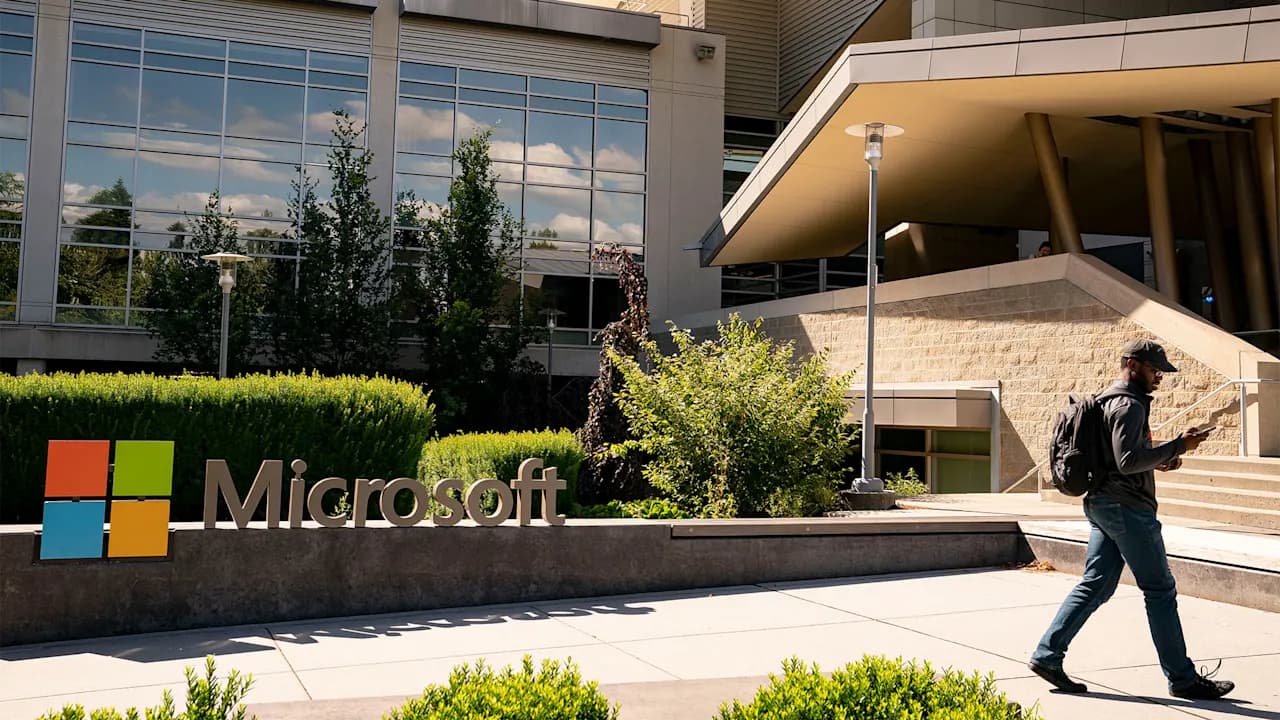
Photo via Fast Company
Microsoft announced its first-ever voluntary buyout program this week, marking a strategic shift as the software giant adapts to the demands of artificial intelligence development. According to CNBC, the initiative will be available to U.S. employees at the senior director level and below whose combined age and years of service total at least 70, with roughly 7% of Microsoft's U.S. workforce expected to qualify. The buyout period takes effect in the fourth quarter of Microsoft's fiscal 2026, which ends June 30.
The move reflects broader cost-management pressures across Big Tech as companies like Microsoft, Google, and Amazon pour billions into data center infrastructure to support generative AI capabilities. Rather than fund these massive capital expenditures through revenue growth alone, tech leaders are trimming headcount and restructuring operations. Microsoft's stock has struggled this year, down 17% in February, fueling investor concerns about the company's AI spending strategy and competitive positioning.
Internally, Microsoft has already begun reallocating talent toward AI priorities. CEO Satya Nadella shifted marketing and operations responsibilities to commercial business leader Judson Althoff last October, freeing himself to concentrate on AI strategy. The company has also unified its commercial and consumer Copilot offerings and tasked AI chief Mustafa Suleyman with building new models full-time. For Atlanta's tech talent market, these national restructurings could create opportunities as experienced professionals consider relocation or as competing firms recruit displaced workers.
Beyond workforce reductions, Microsoft is modifying its compensation structure to retain high performers. The company is eliminating mandatory stock-to-bonus linkages for managers, giving leaders more flexibility to reward top talent, and streamlining review processes. These adjustments suggest Microsoft is pursuing a dual strategy: reducing overall headcount while creating incentives to keep critical AI talent—a pattern that may influence how Atlanta-area tech companies approach their own workforce planning in an increasingly competitive AI economy.