Photo via Fast Company
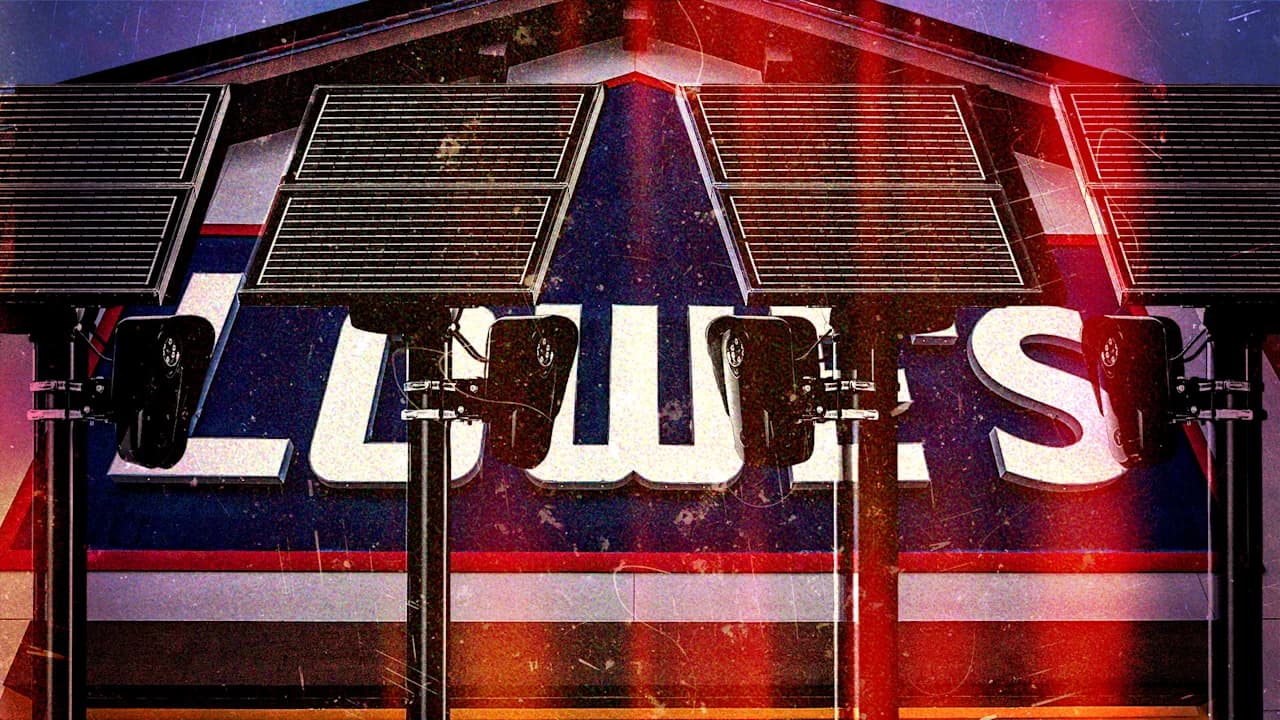
Lowe's Home Improvement is facing mounting pressure to sever ties with Flock Safety, an AI surveillance company that operates automated license plate readers (ALPRs), drones, and camera systems deployed at retail locations. According to Fast Company, 38 organizations—including the Electronic Frontier Foundation and Fight for the Future—sent a letter to Lowe's CEO Marvin Ellison in early April demanding the company drop the contract, citing concerns that Flock data has been shared with Immigration and Customs Enforcement and used in investigations beyond public safety.
The controversy gained prominence in August when reports revealed that cameras stationed outside Lowe's and The Home Depot feed into a surveillance network accessible to law enforcement. Atlanta's own Emory University became a flashpoint when students staged a massive walkout on April 10 to protest the institution's use of Flock technology. According to Capital B News, doctoral student Anayancy Ramos characterized the issue as extending beyond immigration concerns, stating it affects marginalized communities, Black and brown populations, and others frequently subjected to profiling.
Flock Safety contends that its technology is constitutionally sound and that customer data is never shared without explicit permission. The company points to Virginia court rulings and 20 federal district court decisions upholding the technology's legality, and highlights cases where ALPRs have aided in child abduction recoveries. However, privacy advocates argue that even with customer consent provisions, the data infrastructure enables potential misuse targeting vulnerable populations.
The pressure on Lowe's reflects a broader corporate accountability movement gaining traction nationwide. According to Fight for the Future, 68 jurisdictions have paused or terminated Flock contracts since the campaign intensified—an unprecedented momentum that organizers hope will influence major retailers. The home improvement sector has become a particular focal point, as these stores have experienced increased ICE activity, making their surveillance partnerships increasingly controversial among investors, employees, and civil rights organizations.