Photo via Fortune
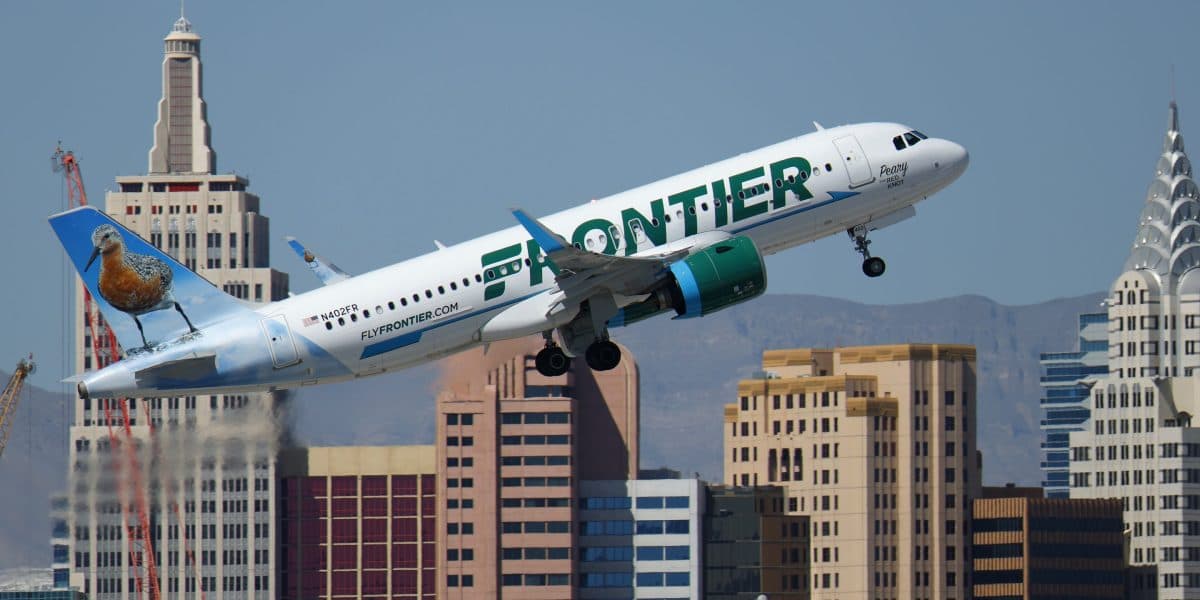
Two of the nation's largest low-cost carriers are making a direct appeal to the Trump administration for financial relief. According to Fortune, Frontier Airlines and Avelo Airways have requested $2.5 billion in federal funding specifically earmarked for jet fuel expenses. The request comes as the sector grapples with volatile fuel prices and competitive pressures that have squeezed margins across the industry.
The airlines presented their case during meetings with Transportation Secretary Sean Duffy and Federal Aviation Administration chief Bryan Bedford, underscoring the urgency of their financial situation. The timing of the request coincides with broader challenges facing budget carriers, particularly Spirit Airlines, which has been actively seeking its own lifeline as operational costs continue to mount. For Atlanta's aviation industry—home to Hartsfield-Jackson Atlanta International Airport, one of the world's busiest hubs—these developments signal potential shifts in regional air service and pricing.
The request for fuel subsidies reflects a strategic shift in how smaller carriers are approaching government intervention. Rather than seeking traditional bankruptcy protections or broad operational subsidies, these airlines are targeting a specific cost category that has historically been volatile and unpredictable. This approach suggests carriers believe fuel price stabilization could be the difference between viability and failure in an increasingly competitive market.
Atlanta-based businesses and travelers should monitor this situation closely, as decisions about federal support for budget carriers could influence regional competition and airfare pricing. If approved, such assistance could stabilize service on routes from Atlanta to secondary markets. Conversely, if denied, consolidation among low-cost carriers could reduce options and potentially increase fares on price-sensitive routes that many Georgia businesses depend on for workforce mobility and supply chain logistics.