Photo via Fast Company
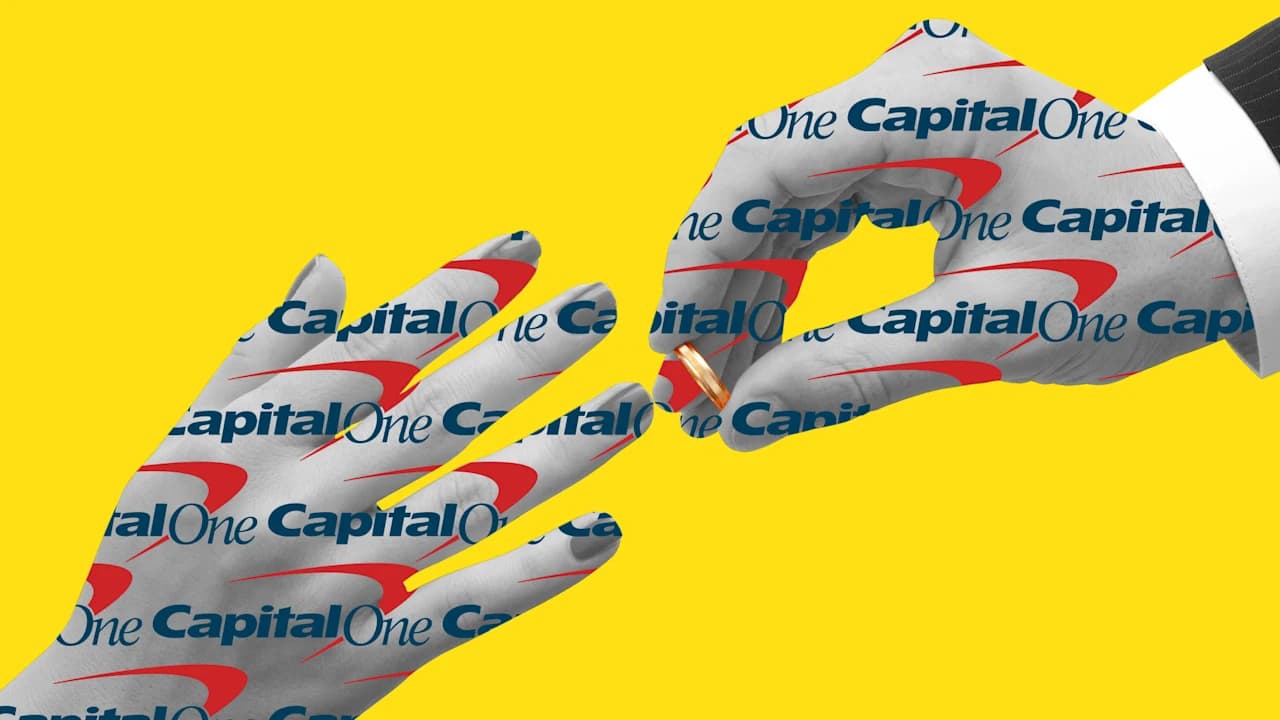
The practice of monetizing major life events has become increasingly common in the influencer economy. A recent viral social media discussion highlighted the trend when a wedding photo posted alongside a Capital One Cafe image sparked debate about whether corporate sponsorships have infiltrated even the most personal milestones. While the Capital One connection was merely coincidental—the creator used wedding photos in a later brand campaign—the incident underscored a broader shift in how content creators finance their celebrations.
Influencers with substantial followings have begun leveraging their platforms to secure wedding sponsorships from major brands. Beauty influencer Mikayla Nogueira's wedding featured E.l.f Cosmetics branding throughout, including a logo-emblazoned kissing booth designed for social media appeal. Even creators with modest followings can negotiate deals; one wellness influencer with 40,000 Instagram followers secured sponsorships from nutrition and beverage brands for her 2022 wedding, providing guests with branded products and experiences.
The financial pressure driving these partnerships is significant. According to industry data cited by Fast Company, the average wedding now costs around $36,000, with costs continuing to rise due to inflation and supply chain factors. Last year alone, some couples faced unexpected expenses—including one bride who paid nearly $300 extra for an imported dress due to tariffs. These mounting costs have shifted public perception, with many social media users expressing sympathy for couples seeking corporate support rather than judgment.
For Atlanta-area business leaders and marketers, this trend represents both opportunity and ethical consideration. Wedding sponsorships offer brands direct access to engaged audiences and shareable content, yet the practice raises questions about authenticity and the commercialization of intimate celebrations. As the wedding industry continues to evolve, companies must balance marketing objectives with consumer sentiment about the appropriate boundaries between commerce and personal milestones.