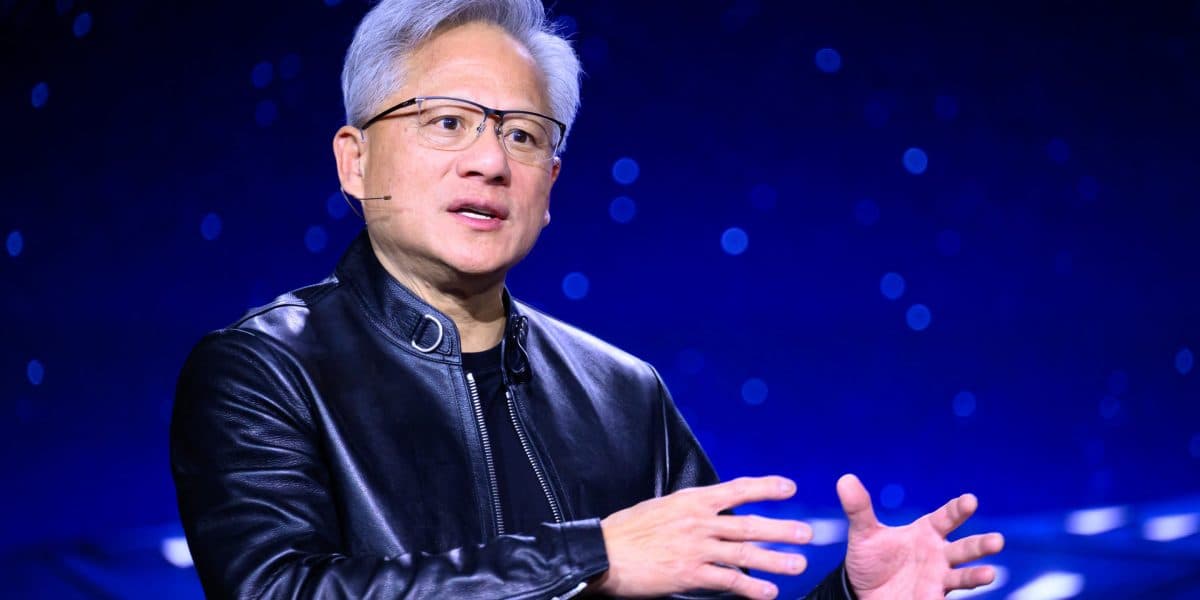
Photo via Fortune
While Silicon Valley grapples with fears of mass AI-driven layoffs, Nvidia CEO Jensen Huang is offering a different perspective on the technology's workplace impact. According to Fortune, Huang argues that the real competitive threat isn't artificial intelligence itself, but rather the colleague who learns to leverage it effectively. For Atlanta's growing tech sector, this framing carries important implications for workforce development and hiring strategies.
Huang's position stands in contrast to warnings from other industry leaders who have predicted significant job displacement as AI capabilities advance. His argument suggests that adaptability and willingness to integrate AI tools into daily workflows will become the primary differentiator between employees who thrive and those who fall behind. This perspective places responsibility on individual workers and organizations to invest in upskilling rather than bracing for wholesale workforce reductions.
Atlanta's business community—home to growing tech hubs in areas like Midtown and Virginia Highland—should take note of this paradigm shift. Companies across sectors, from financial services to healthcare to logistics, face decisions about how to integrate AI into operations. The message from Nvidia's leadership suggests that organizations prioritizing AI training and adoption will gain competitive advantages in attracting and retaining talent.
For Atlanta professionals and business leaders, Huang's commentary underscores the urgency of treating AI literacy as essential professional development. Rather than viewing automation as an existential threat, the more productive approach may be identifying how AI tools can augment human capabilities, increase productivity, and create new categories of work that don't yet exist.