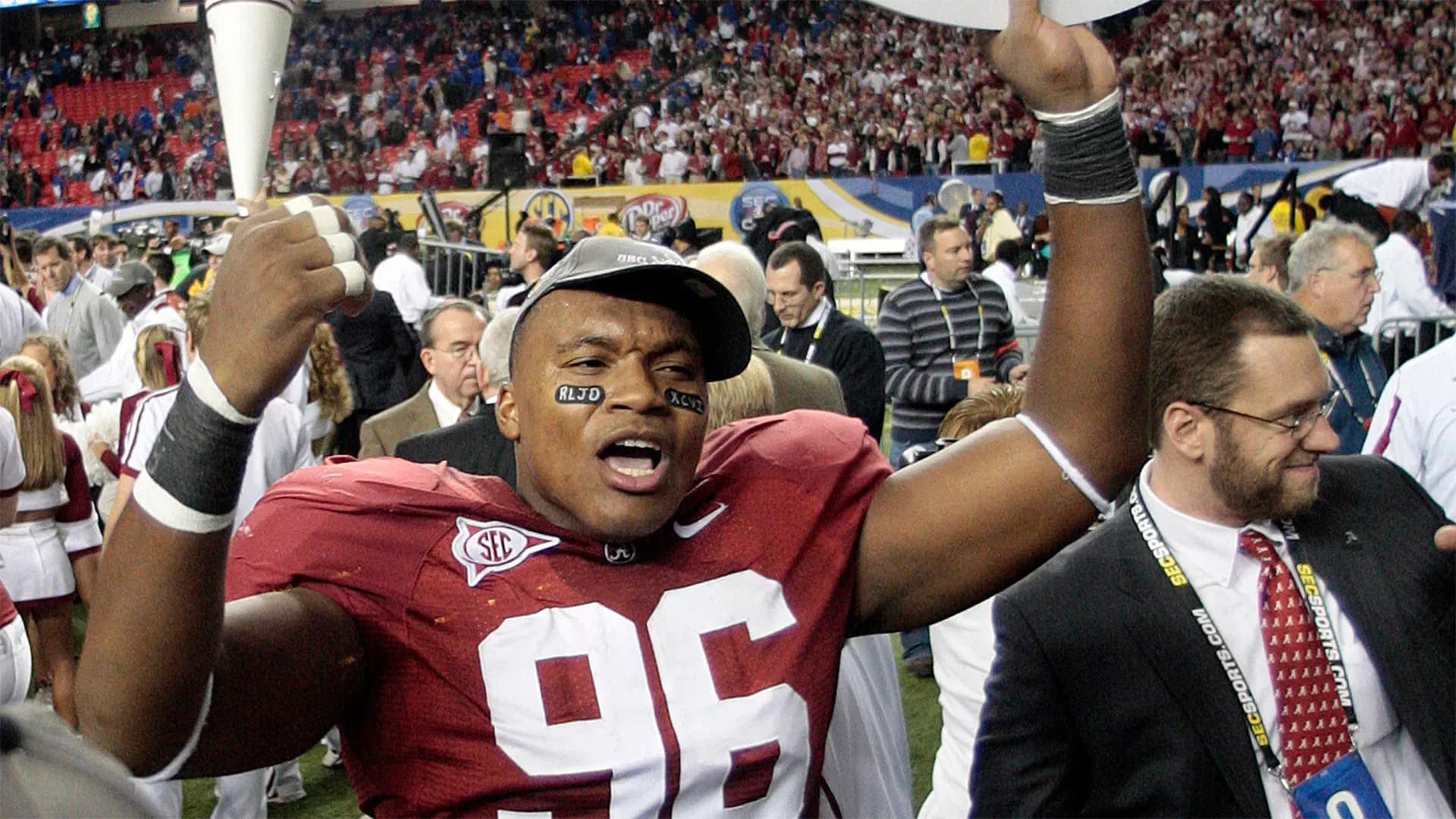
Photo via Inc.
A former college football player has been charged by federal prosecutors with orchestrating an alleged $20 million fraud scheme that relied on an unusual method: impersonating professional NFL athletes during video conferences. According to federal court filings, Luther Davis and an unnamed co-conspirator used wigs, makeup, and carefully staged Zoom calls to convince victims they were conducting business with legitimate pro players. The scheme represents a sophisticated twist on traditional identity fraud, exploiting the growing reliance on remote communications in business dealings.
The alleged scam targeted individuals and businesses seeking endorsement deals and partnerships with high-profile NFL talent. Prosecutors say Davis and his associate leveraged their knowledge of professional football to create convincing personas, using personal details and insider language to build credibility during virtual meetings. The case highlights how perpetrators are adapting fraud tactics to exploit video conferencing platforms, which have become standard for business negotiations across multiple industries.
For Atlanta-area business professionals, this case underscores the importance of verification protocols when conducting high-value transactions remotely. Companies engaging with celebrity talent or athlete representatives should implement multi-factor authentication and in-person verification steps before committing significant resources. Legal experts recommend that firms establish clear vetting procedures for virtual partnerships, particularly when large sums are at stake.
The charges carry serious federal implications, including wire fraud and identity theft violations. As video-based business dealings continue to dominate the corporate landscape post-pandemic, this case serves as a cautionary tale for Atlanta executives and entrepreneurs about the necessity of robust identity verification practices. Businesses should consider consulting with compliance professionals to strengthen their remote transaction safeguards.