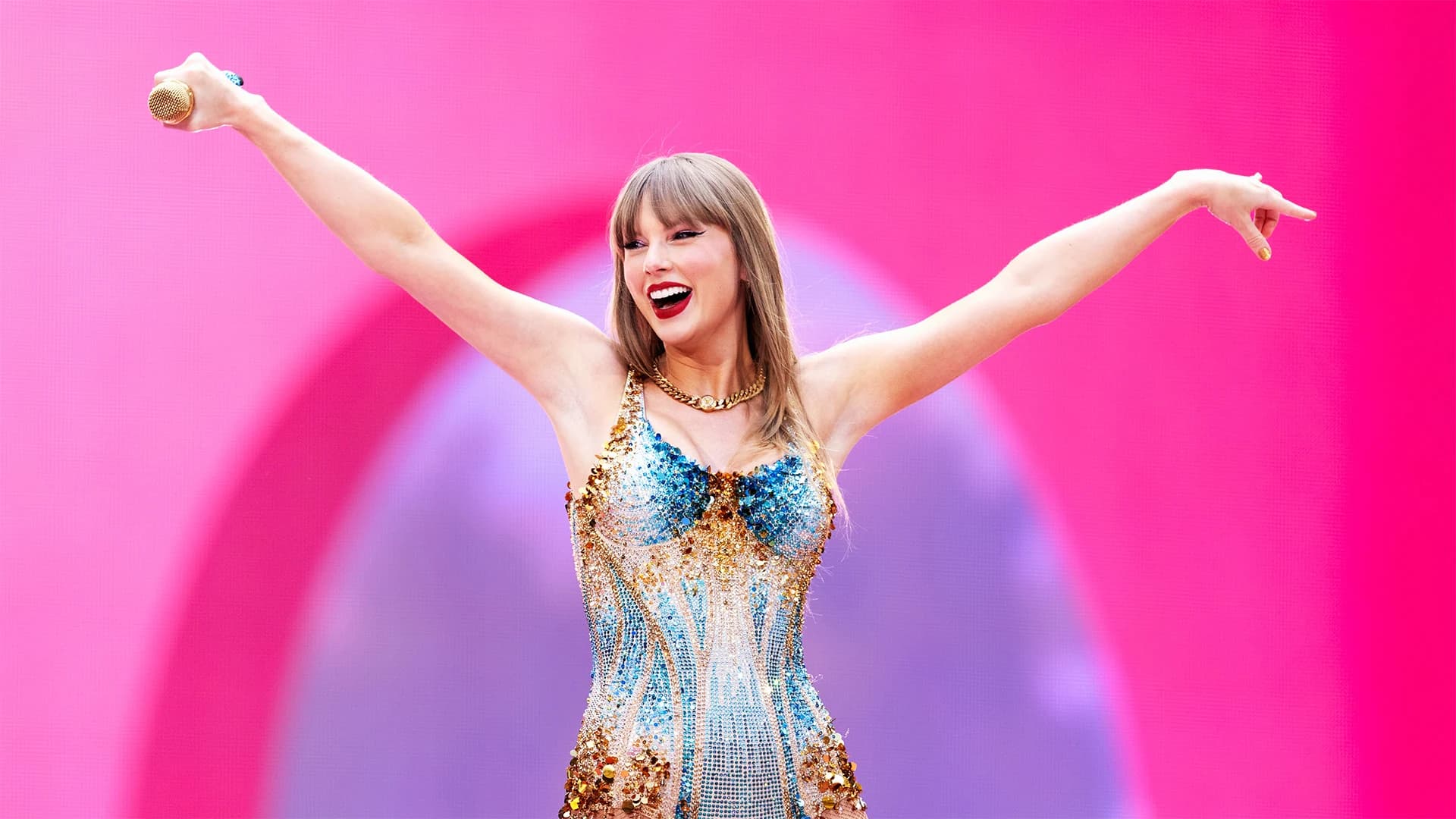
Photo via Inc.
The intersection of artificial intelligence and celebrity identity protection is rapidly becoming a critical business issue. According to Inc., prominent entertainers are increasingly filing trademark applications to safeguard their voice, likeness, and personal brand from unauthorized AI replication. This defensive strategy reflects growing concerns that deepfakes and AI-generated content could undermine the commercial value of celebrity personas without legal recourse.
For Atlanta's burgeoning entertainment and music industry—home to major recording studios, production companies, and talent management firms—this trend carries direct business implications. As more creators and celebrities pursue aggressive IP protection strategies, local entertainment law practices, talent agencies, and tech companies are likely to see increased demand for advisory services around AI rights management and brand protection.
The trademark approach represents a pragmatic legal workaround in a regulatory landscape where AI governance remains fragmented. By securing intellectual property rights over their distinctive features—voice patterns, facial characteristics, and performance styles—celebrities create enforceable claims against unauthorized commercial use. This strategy may soon become standard practice for any public figure with significant commercial value.
Atlanta-based entertainment businesses and emerging tech startups should monitor this developing area closely. The convergence of IP law, AI technology, and celebrity branding could reshape how entertainment contracts are negotiated, how digital assets are valued, and what compliance measures tech companies must implement to protect creator rights in the age of generative AI.