Photo via Fast Company
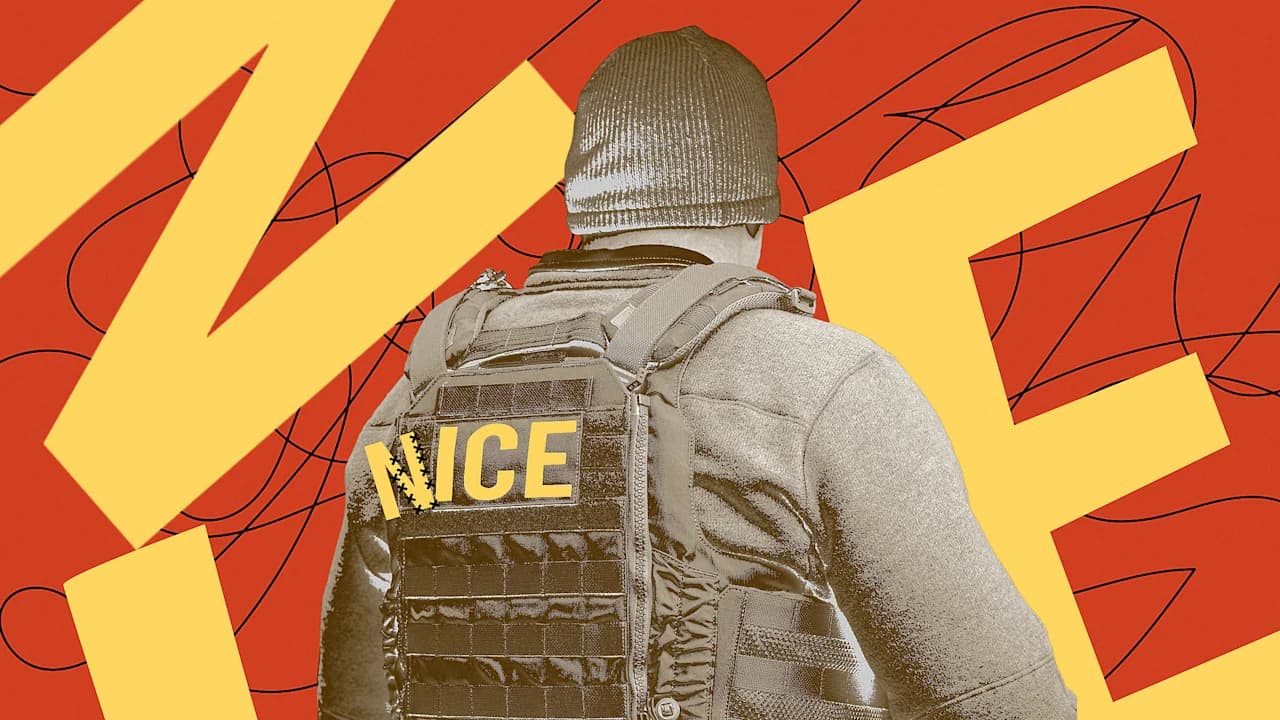
President Trump recently endorsed a suggestion to rename U.S. Immigration and Customs Enforcement (ICE) as the National Immigration and Customs Enforcement (NICE)—a move designed to soften the agency's public image through what linguists call a 'backronym.' While creative messaging can be an effective communications tool, scholars question whether a simple name change can address deeper concerns about an agency facing rising public disapproval. According to polling data, disapproval of ICE has climbed from 41% in 2018 to 58% today, suggesting the reputational damage runs deeper than semantics.
Government agencies and Congress have increasingly relied on backronyms to rebrand initiatives—think the CARES Act or the CHIPS and Science Act. These reverse-engineered acronyms serve as messaging tools that turn bureaucratic language into memorable slogans for media consumption. However, academics who study naming conventions warn that a friendly acronym cannot mask substantive criticism. Brian Christopher Jones, a researcher at the University of Liverpool, suggests the NICE rebrand could actually invite more scrutiny by creating a stark contrast between the agency's new, genteel name and documented accounts of aggressive enforcement actions.
For Atlanta-area businesses, particularly those in logistics, hospitality, and agriculture—sectors heavily dependent on immigrant labor—the ICE rebranding debate carries practical implications. An agency operating under a friendlier name doesn't necessarily signal changes to enforcement practices or workplace compliance standards. Employers navigating immigration verification requirements, I-9 procedures, and workforce documentation should focus on substantive policy shifts rather than relying on rebranding efforts to indicate operational changes.
The lesson for Atlanta's business community: government branding exercises should never substitute for direct communication about actual policy and operational standards. Whether the agency is called ICE or NICE, companies must maintain robust compliance frameworks and stay informed about regulatory developments through official channels and industry associations. A name change is theater; understanding your obligations is business necessity.