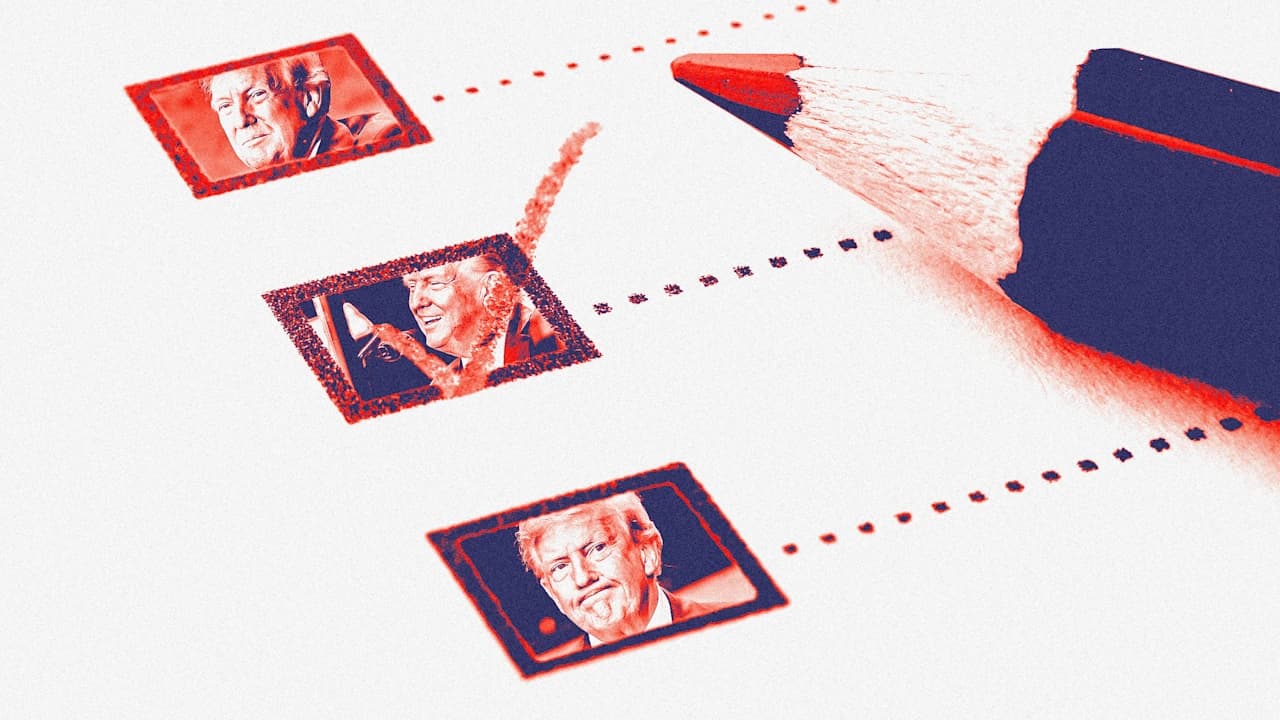
Photo via Fast Company
President Trump recently signaled that companies declining to claim $166 billion in Supreme Court-ordered tariff refunds will be "remembered" favorably—a clear attempt to pressure businesses into forfeiting money they legally won. According to Fast Company, the Supreme Court ruled 6-3 in February that the tariffs were an overreach of presidential power, yet some major corporations are considering not filing claims to curry administration favor. For Atlanta-based companies and regional importers affected by last year's tariffs on goods from nearly every country, this creates an uncomfortable choice between legal entitlement and political expediency.
Atlanta business leaders should recognize that forgoing refunds contradicts fundamental fiduciary duties to shareholders and customers. Executives who direct their companies to abandon millions or billions in recoverable funds expose themselves to liability and betray the trust of investors and the communities they serve. The messaging is equally damaging: companies that raised prices due to tariffs but then refuse to recover those costs are essentially telling customers they value political favor over affordability—a particularly tone-deaf position in today's economic climate.
Costco provides a contrasting model worth emulating. The retailer proactively challenged the tariffs in court and has committed to passing refunds to customers through lower prices and better values. Similarly, logistics giants like UPS, FedEx, and DHL have signaled they'll return recovered tariff fees to customers who absorbed those costs. For Atlanta's robust retail, logistics, and distribution sectors, this transparency builds consumer trust and demonstrates alignment with the rule of law.
Companies should view tariff refunds as an opportunity to strengthen brand loyalty among customers, not as a test of political loyalty to Washington. The implicit threat—that companies exercising legal rights will be "remembered" unfavorably—cuts both ways: consumers also remember which businesses prioritize principles and pricing integrity. In a market increasingly focused on affordability, Atlanta business leaders should make clear their intent to pursue refunds and reinvest savings into customer value, not political positioning.