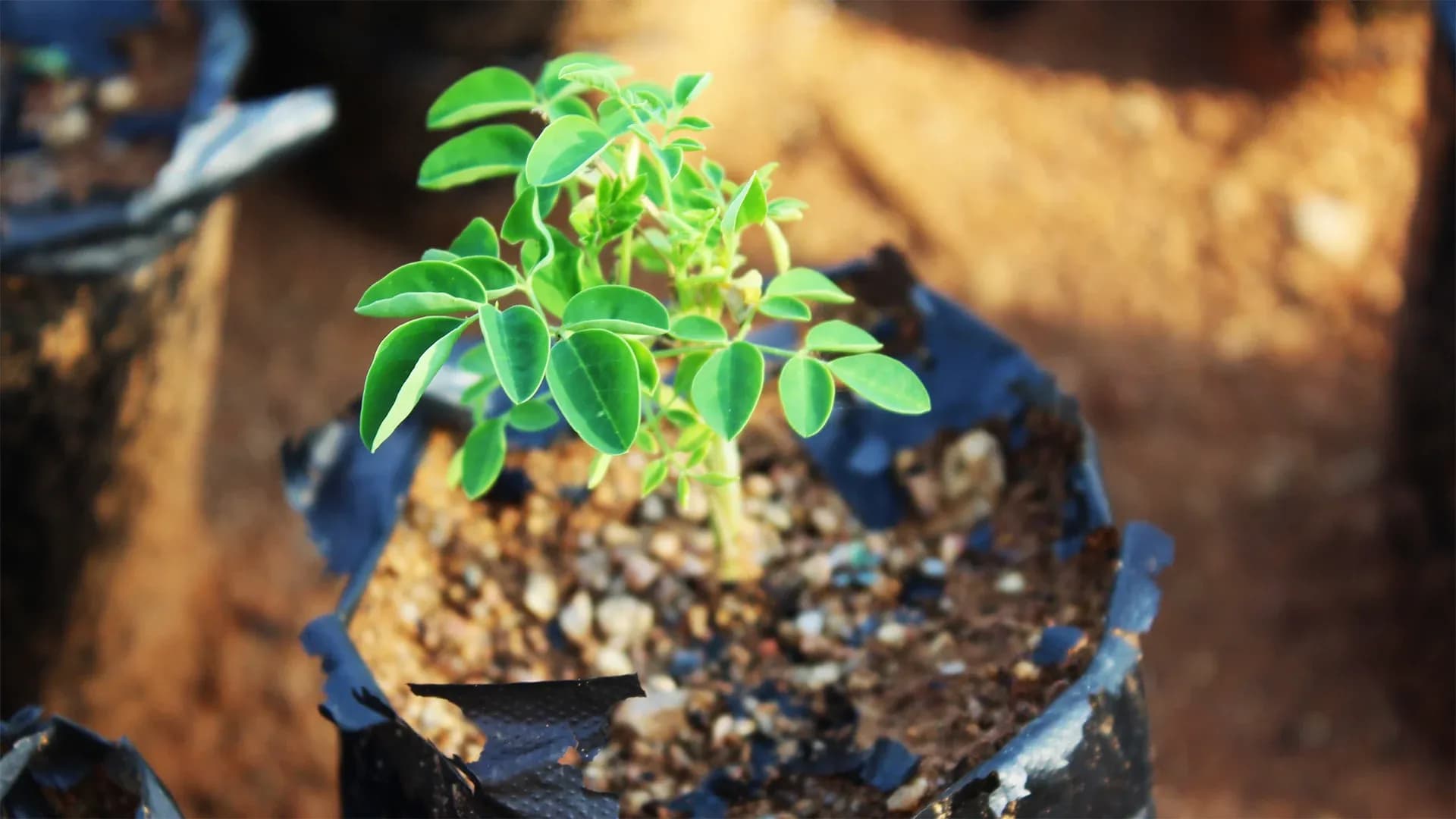
Photo via Inc.
Researchers have identified a natural solution to one of modern manufacturing's persistent challenges: microplastic contamination in water supplies. According to a new scientific study reported by Inc., an ancient tree species demonstrates the ability to filter out 98 percent of microplastics from water, offering a potentially cost-effective alternative to traditional chemical-based treatment methods.
The findings carry particular relevance for Atlanta-area businesses in water-dependent industries—from beverage manufacturers to semiconductor plants—where water quality directly impacts operations and regulatory compliance. As Georgia continues to face water availability pressures and stricter environmental standards, companies are increasingly seeking innovative purification solutions that reduce both operational costs and chemical inputs.
What makes this discovery compelling for regional stakeholders is its simplicity and scalability. The plant-based approach could lower capital expenditures for water treatment infrastructure compared to conventional filtration systems, potentially benefiting municipalities and industrial users across the Southeast. For businesses already investing in sustainability initiatives, this represents a natural complement to existing environmental strategies.
As more details emerge from the research, Atlanta-area water treatment companies, environmental consultants, and manufacturers should monitor these developments closely. The commercialization of such a solution could create opportunities for local entrepreneurs and service providers positioned to adapt or implement the technology at scale.