Photo via Fast Company
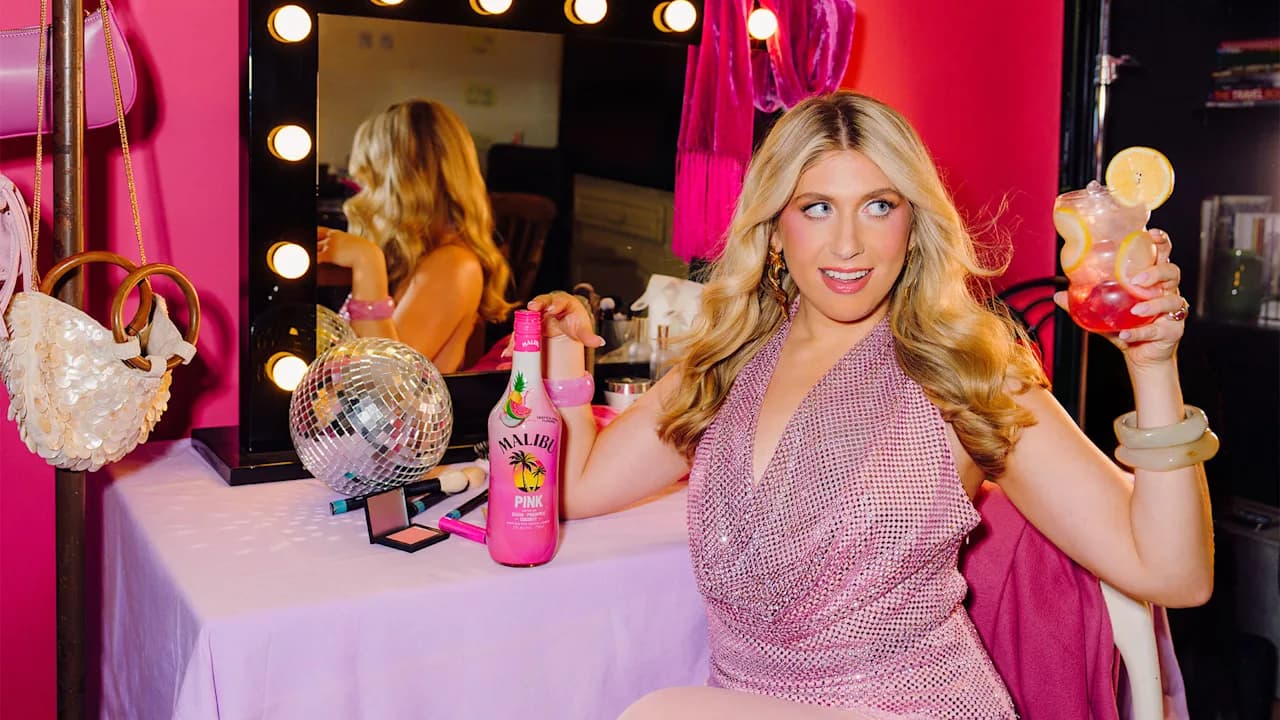
The alcohol advertising landscape is shifting dramatically as major spirits brands launch their first dedicated TikTok campaigns following regulatory approval. According to Fast Company, companies like Pernod Ricard, Bacardi, and Campari Group have begun experimenting with the platform after TikTok strengthened age-verification protocols and negotiated guidelines with the Distilled Spirits Council of the United States (DISCUS). Malibu's recent 'Get Ready With Malibu Pink' campaign marks one of the first large-scale alcohol initiatives on the app, signaling a broader industry pivot.
For Atlanta's beverage distribution and retail sectors, this represents a significant market shift. The three-tier system that governs U.S. alcohol sales—requiring products to flow from producers through distributors to retailers—means local wholesalers and retailers will be essential to converting TikTok views into sales. ReserveBar and similar ecommerce platforms are now positioned as critical middlemen, linking influencer campaigns directly to consumer purchases while maintaining compliance with state regulations.
Spirits executives emphasize that success on TikTok requires fundamentally different strategies than Instagram or traditional advertising. Bacardi's global CMO notes the platform rewards 'raw, imperfect' content that feels behind-the-scenes rather than polished, with brands needing high volumes of content to gain traction. TikTok reports that 42% of users have discovered new alcohol brands on the platform, with over-21 users being 1.6 times more likely to purchase spirits or try new cocktails compared to non-users.
For Atlanta business leaders in hospitality, retail, and distribution, understanding this content shift is increasingly critical. The regulatory framework established in July 2024 and fully implemented by mid-2025 includes strict age-gating, responsible drinking disclaimers, and restrictions on portraying intoxication. As spirits brands accelerate TikTok spending—the platform generates over $14 billion annually in U.S. advertising revenue—local suppliers and retailers must adapt their inventory and marketing strategies to align with emerging consumer preferences shaped by digital-native influencers.