Photo via Fast Company
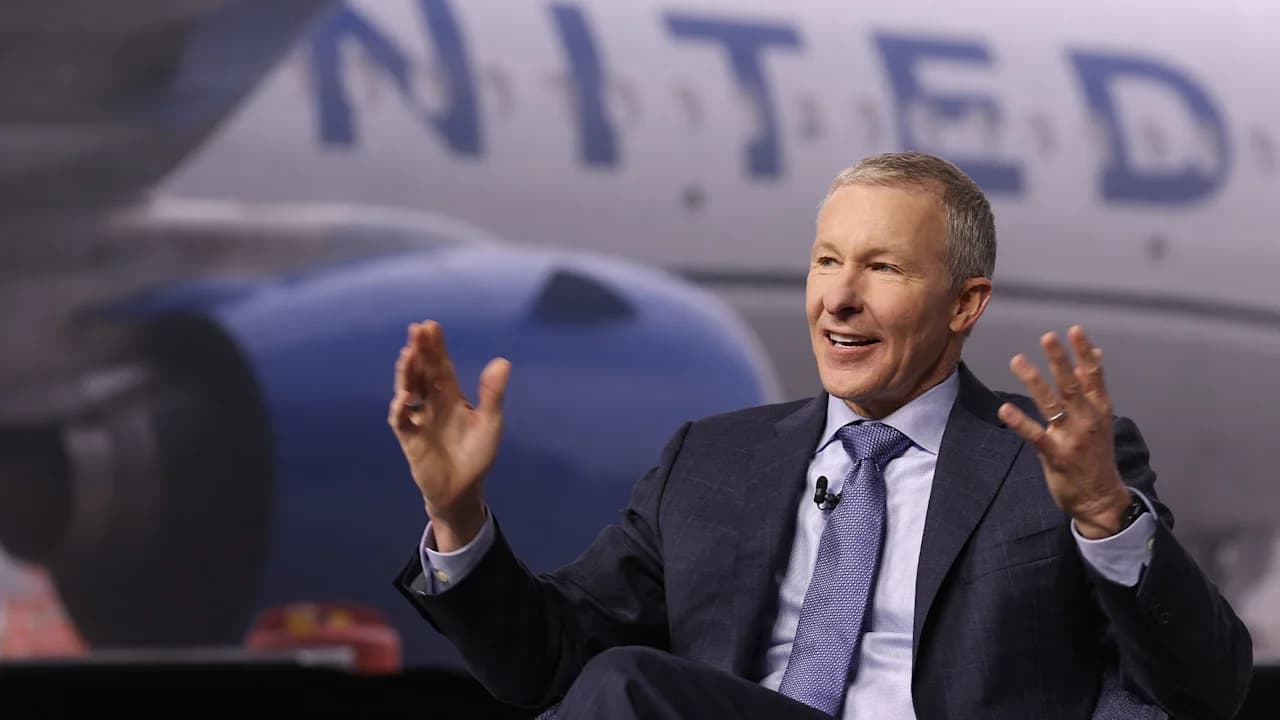
Geopolitical tensions are reshaping airline economics in ways that could outlast the crisis itself. United Airlines CEO Scott Kirby recently acknowledged on an earnings call that his carrier—and likely competitors across the industry—may maintain elevated ticket prices and ancillary fees even after fuel costs return to pre-crisis levels. The admission comes as United reported strong Q1 2026 results, with operating revenue up 10.6% year-over-year, driven partly by aggressive pricing strategies offsetting a $340 million increase in quarterly fuel expenses.
For Atlanta-based Delta Air Lines, the strategic implications are significant. Delta's hub at Hartsfield-Jackson Atlanta International Airport makes it a primary carrier for the region's business and leisure travelers. Kirby's candid assessment suggests the airline industry views current pricing pressures as an opportunity to permanently reset consumer expectations. He indicated United would likely retain 20% to 80% of price increases even if fuel normalizes, depending on how long elevated costs persist. This strategy effectively converts a temporary supply shock into sustained margin improvement.
The pricing posture is already drawing regulatory attention. Democratic Congressman Ritchie Torres of New York has written to airline executives demanding price commitments, specifically citing Delta CEO Ed Bastian's previous remarks about leveraging lower fuel costs to boost margins. Torres argues that transparent cost-based pricing must work both directions. "Pricing cannot be a one-way street," he wrote, challenging carriers to prove their pricing is genuinely tied to operational costs rather than market opportunity.
For Atlanta businesses managing travel budgets and frequent fliers, the implications are clear: fares may remain elevated indefinitely. The situation underscores how external shocks can trigger permanent shifts in pricing power, particularly in consolidated industries like aviation. Stakeholders should monitor both congressional action and individual carrier statements as the debate over fare transparency continues to evolve in coming months.