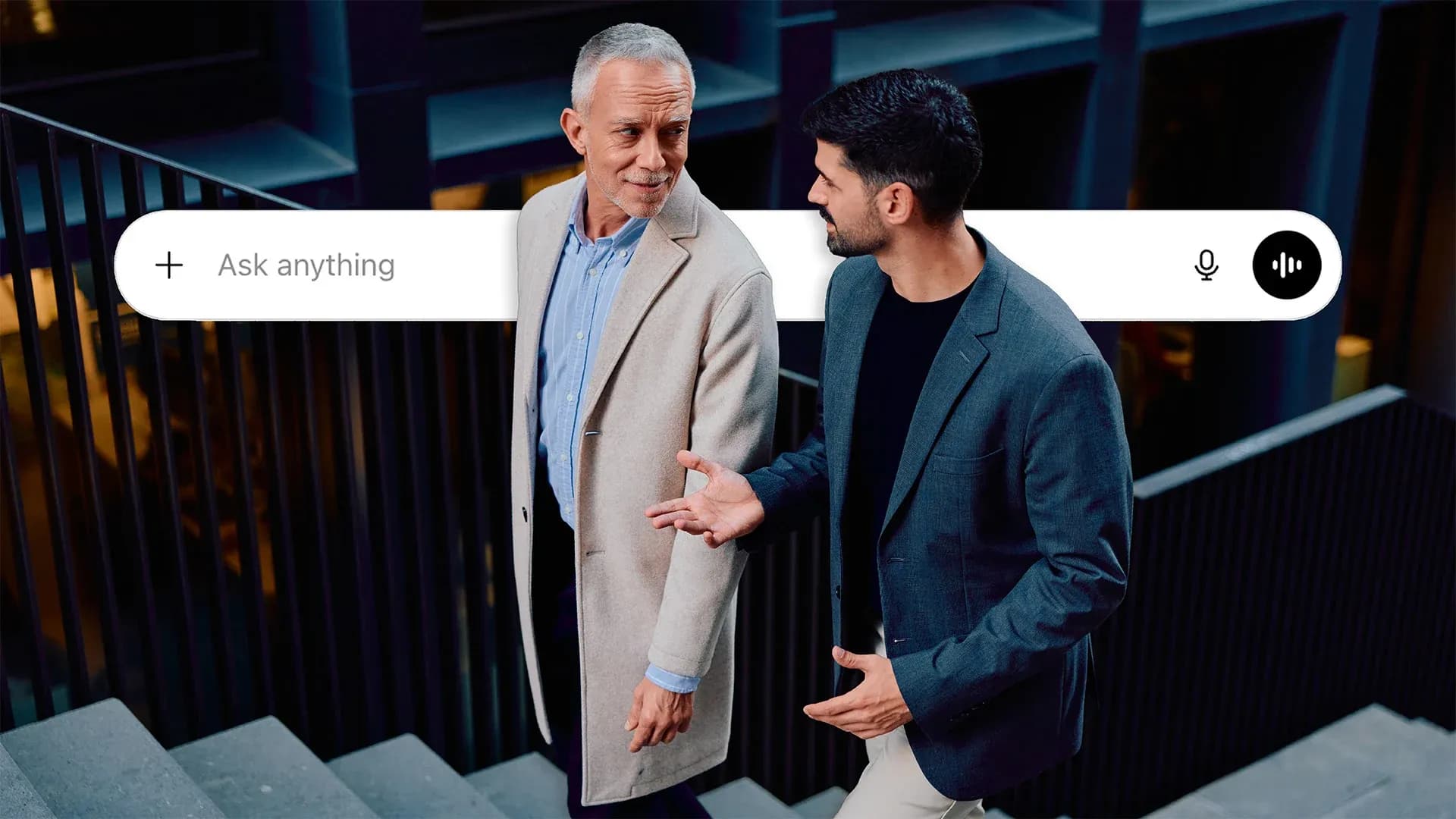
Photo via Inc.
The way we communicate with artificial intelligence is beginning to reshape how we interact with colleagues, clients, and teams. According to Inc., this shift toward 'prompt engineering'—the practice of crafting precise, command-driven language for AI systems—may be inadvertently training professionals to adopt communication patterns that undermine genuine human connection in the workplace.
For Atlanta's growing tech sector and established corporate headquarters, this trend carries real implications. When employees spend hours formulating direct, emotionless instructions for AI systems, that communication style can bleed into their interactions with team members, managers, and business partners. The result is a workplace where efficiency-focused directives replace the empathy, nuance, and relationship-building that drive innovation and employee engagement.
The cost of this behavioral shift extends beyond morale. Atlanta-based companies rely heavily on collaborative problem-solving, client relationships, and team cohesion—all qualities that suffer when professionals default to AI-style communication patterns. Leaders who recognize this risk can establish norms that protect interpersonal communication while still leveraging AI's productivity benefits.
The challenge for Atlanta's business community is intentional: maintain the gains from AI adoption without sacrificing the human elements that distinguish exceptional workplaces. This requires conscious effort, training, and cultural reinforcement that communication with people demands a fundamentally different approach than communication with machines.